The Art of Building Flavor with Global Pantry Staples
Let’s be honest. You don’t need a suitcase full of obscure ingredients to cook food that sings. Honestly, the real magic happens when you learn to layer a few powerful, global pantry staples. It’s less about following a recipe to the letter and more about understanding the flavor tools at your disposal.
Think of your pantry not as a storage closet, but as an artist’s palette. Each jar, bottle, and tin is a distinct color or texture. Soy sauce isn’t just salty—it’s umami depth. Smoked paprika isn’t just red—it’s a whisper of campfire. And a good vinegar? That’s your bright splash of light. The art is in combining them.
The Flavor Architects: Your Core Global Staples
Okay, so what should you actually have on hand? Here’s the deal: a handful of items from different culinary traditions will give you insane flexibility. We’re talking about the workhorses, the flavor architects.
The Umami Bomb Squad
These are your secret weapons for savory, mouth-coating depth. They make things taste… more.
- Fish Sauce (Nam Pla): Don’t let the smell fool you. A few drops in a stew, dressing, or even a burger blend adds a complex saltiness that’s utterly irreplaceable. It’s the bass note in the symphony.
- Soy Sauce or Tamari: Beyond salt, it brings fermented, nutty notes. Tamari (usually gluten-free) is a bit richer and milder, perfect for when you want the flavor without overpowering.
- Miso Paste: White miso is sweet and mild; red miso is pungent and salty. Whisk it into soups, marinades, or even salad dressings for instant complexity.
- Anchovy Paste or Canned Tomatoes: Yes, tomatoes! When cooked down, they’re packed with glutamates. Anchovy paste melts right into oils, building a savory foundation for pastas and dressings without a hint of “fishiness.”
The Acid Avengers
Acid is the wake-up call for your taste buds. It balances fat, cuts richness, and makes flavors pop. Having a variety is key.
| Staple | Profile | Best Used In… |
| Rice Vinegar | Mild, slightly sweet | Asian dressings, quick-pickling, sushi rice |
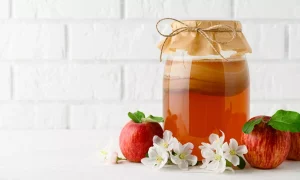
| Apple Cider Vinegar | Fruity, tangy | Slaws, barbecue sauces, health tonics |
| Sherry Vinegar | Nutty, complex | Spanish dishes, finishing a soup, vinaigrettes |
| Lime or Lemon Juice | Bright, fresh acidity | Finishing almost anything, ceviche, marinades |
The Spice & Aroma All-Stars
These are your dried herbs and spices that travel well and last. Go for whole when you can—toasting and grinding them fresh is a game-changer.
- Cumin Seeds: Earthy, warm, and slightly citrusy. Toasted and ground, they’re the soul of Mexican, Indian, and Middle Eastern food.
- Smoked Paprika (Pimentón): This is your shortcut to a wood-fired flavor. It adds a smoky sweetness to rubs, roasted veggies, and even deviled eggs.
- Gochugaru (Korean Red Pepper Flakes): It’s not just heat. It has a sweet, smoky, almost fruity flavor that’s completely different from Italian red pepper flakes.
- Whole Cinnamon Sticks & Star Anise: For sweet and savory. Simmer them in a braise, a pot of rice, or mulled wine. They add a warming, aromatic depth that ground powder just can’t match.
The Practical Magic: How to Layer These Flavors
So you’ve got the players. Now, how do you get them to work together? It’s all about sequence and balance. Think of building a dish like constructing a building. You need a solid foundation, strong walls, and finally, the decorative finishes.
Start with a Foundation of Fat & Aromatics
Almost every great dish starts here. Heat oil (olive, sesame, avocado) and add your aromatic base—onions, garlic, ginger. Then, introduce a foundation spice like cumin or smoked paprika. Let them sizzle in the fat for just 30 seconds. This “blooms” the spices, releasing their oils and infusing the entire dish from the ground up.
Build the Body with Umami & Liquid
Next, add your umami bomb. A tablespoon of tomato paste, fried until it darkens slightly. A spoonful of miso stirred into the aromatics. A dash of fish sauce. This step builds the savory, hearty middle of your flavor profile. Then, deglaze with a bit of liquid—broth, wine, or even water—to scrape up the delicious browned bits (the fond) from the pan.
Balance and Finish with Acid & Freshness
This is where so many home cooks stop short. And it’s the most crucial step. Once your dish is nearly cooked, taste it. Does it feel flat? It probably needs acid. A squeeze of lime, a splash of sherry vinegar. Taste again. It should feel brighter, more alive.
Finally, add fresh herbs, a drizzle of flavorful oil, or a crunchy texture. This is the finish, the detail that makes it special.
Putting It All Together: A Simple Scenario
Let’s say you have some chicken thighs and a head of broccoli. Here’s how a global pantry thinker might approach it:
- Foundation: Pat chicken dry, season with salt. Brown it well in a pan with oil. Remove. In the same fat, sauté garlic and a big pinch of toasted cumin seeds.
- Umami Body: Add a spoonful of tomato paste, cook for a minute. Add a splash of soy sauce and let it sizzle. Add the broccoli florets, toss to coat.
- Simmer & Finish: Return chicken to the pan, add a splash of water or broth, cover, and simmer until cooked. Off heat, stir in a knob of butter and a big squeeze of lemon juice. Taste. Maybe add a pinch of gochugaru for warmth? Finish with fresh cilantro if you have it.
See? You didn’t follow a recipe. You used technique and your pantry palette. You built layers: savory (soy, tomato), earthy (cumin), bright (lemon), and fresh (cilantro). The result is something far greater than the sum of its parts.
The Mindset Shift: Your Kitchen, Your World
Ultimately, the art of building flavor with global staples requires a small but significant mindset shift. Stop cooking by geography—”tonight is Italian night”—and start cooking by flavor. That jar of miso isn’t just for Japanese soup; it’s a fermented paste that can deepen a French onion soup or glaze a piece of salmon. Gochugaru can spice up your popcorn. Fish sauce can transform a Bolognese.
Your pantry becomes a passport, not to a single destination, but to a whole world of taste you can mix and match on a whim. It’s liberating, really. It turns cooking from a task of collection into an act of creation. You start to taste not just the food, but the possibilities in every single spoonful.